
Hyperpigmentation
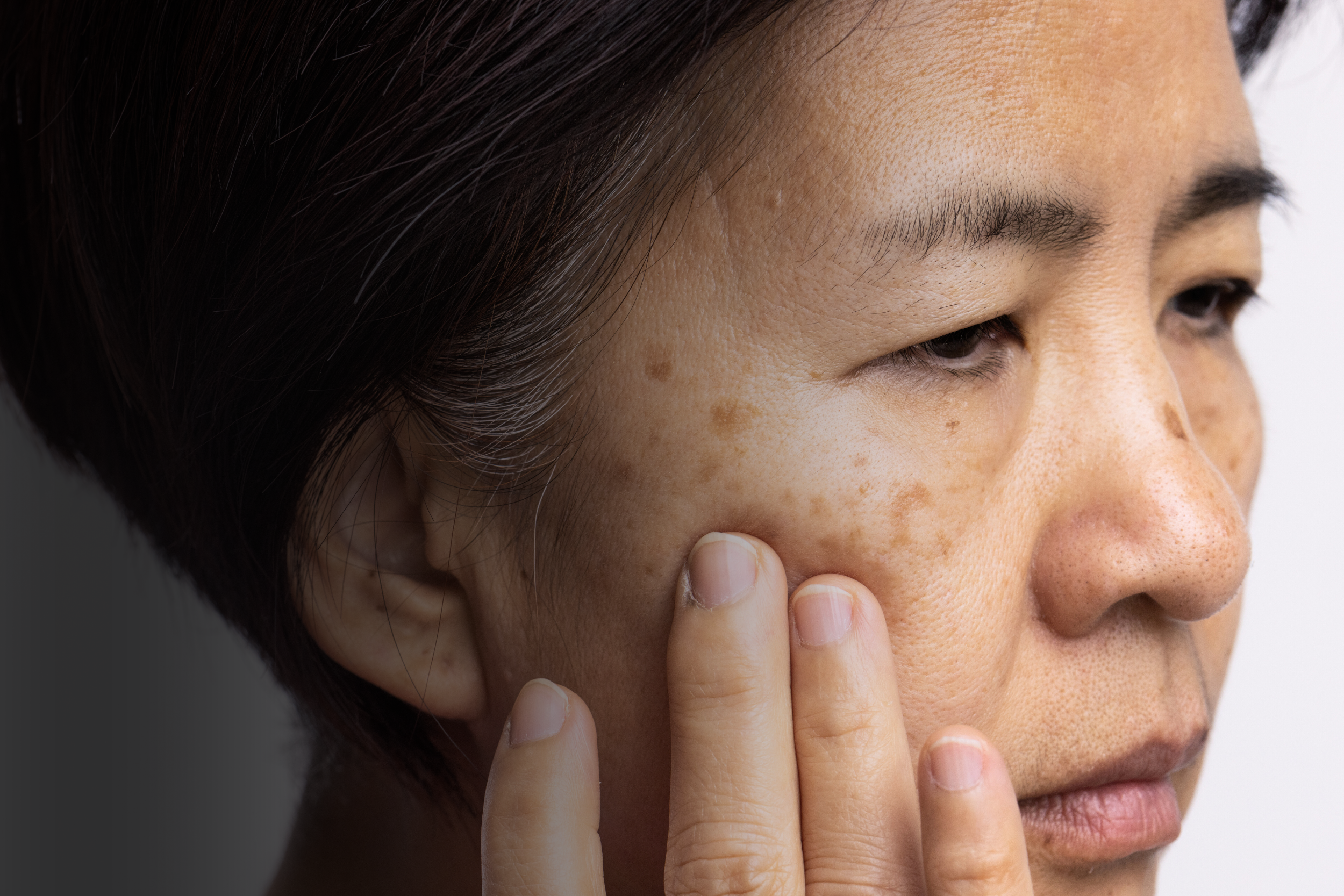
Hyperpigmentation is one of the most common, and most misunderstood skin concerns in Singapore. From freckles and sun spots to melasma and post-inflammatory marks, each type of pigmentation behaves differently, forms at different depths of the skin, and responds to treatment in its own unique way. This is why generic, “one-size-fits-all” pigmentation treatments often fail, and in some cases, even worsen the condition.
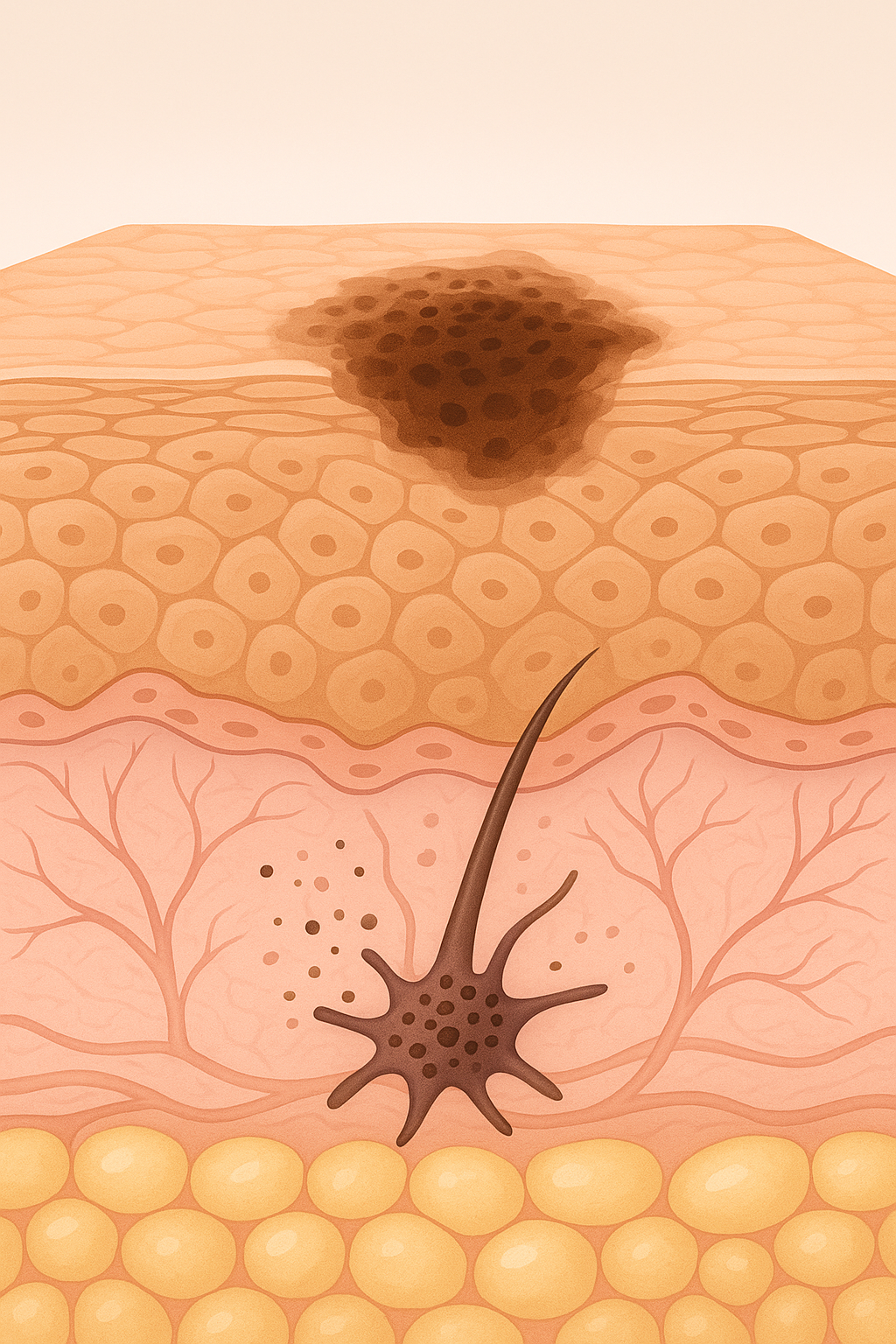
In reality, pigmentation is rarely just a surface issue. They are rooted deep within the skin layers, where melanocytes (the pigment-producing cells) become overstimulated by factors such as UV exposure, heat, inflammation, hormones, and genetic predisposition. When these cells overproduce melanin, the pigment accumulates in varying depths of the epidermis and dermis, creating the visible dark patches, shadows, and uneven tone that many patients struggle with.
Because each pigmentation subtype sits at a different depth and is driven by a different trigger, successful treatment requires more than simply “breaking pigment.” It demands an approach that can identify the exact root cause, target the correct layer, stabilise melanocyte activity, and rebuild skin resilience so results last.
Causes of Hyperpigmentation
Hyperpigmentation arises from multiple triggers, and identifying the underlying cause is essential for effective treatment. In Singapore’s tropical climate, factors such as sun exposure, hormonal changes, inflammation, and environmental heat can overstimulate melanocytes (the skin’s pigment-producing cells), leading to dark spots, uneven tone, and stubborn pigmentation.
-
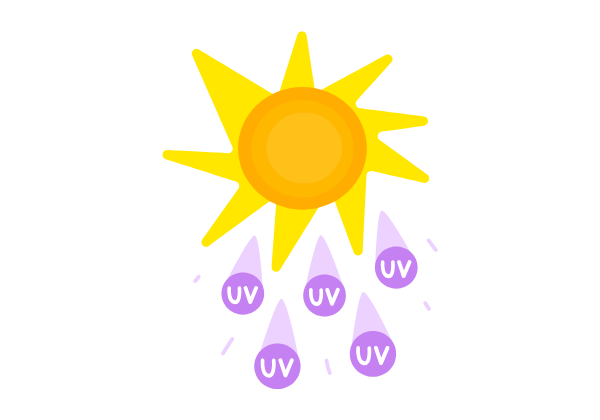
Excessive UV exposure is the most common trigger for hyperpigmentation in Singapore. The sun’s rays stimulate melanocytes to produce melanin as a natural protective response, resulting in freckles, sun spots, and patchy pigmentation. Without consistent sun protection, these dark spots can deepen over time and become more resistant to treatment.

-
Hormonal fluctuations can overstimulate melanocytes, leading to persistent pigmentation concerns such as melasma. Pregnancy, birth control, or menopause can trigger dark patches, often appearing on the cheeks, forehead, upper lip, or jawline. Hormone-related pigmentation typically requires tailored treatment for effective and lasting results.
-
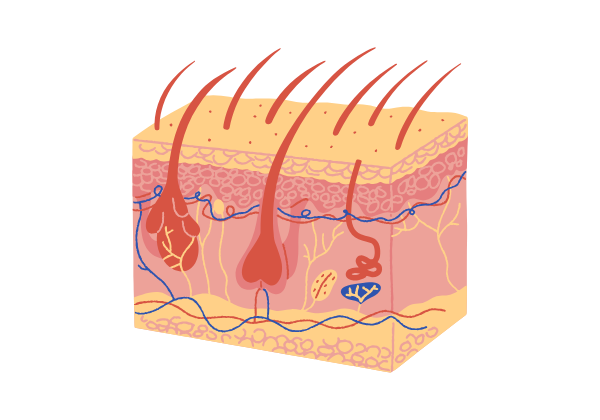
Any form of skin injury or inflammation can lead to post-inflammatory hyperpigmentation (PIH). Acne, eczema, cuts, burns, and even harsh cosmetic procedures can trigger excess melanin production in the affected area. PIH can linger for months, creating dark marks that fade only with targeted treatment.

-
Recent studies have suggested that heat exposure, including from the sun, hot environments, or even cooking, can aggravate pigmentation. Lifestyle factors such as smoking, stress, and poor diet may increase oxidative stress, indirectly contributing to uneven skin tone and stubborn spots.
Types of Hyperpigmentation
Hyperpigmentation manifests in various forms, each with distinct causes, appearances, and treatment considerations. Our most commonly treated hyperpigmentation types include:
FRECKLES
Freckles are small, flat brown spots that often appear on sun-exposed areas like the face, shoulders, and arms. They are usually genetic and become more noticeable with UV exposure. Freckles are generally harmless but can darken over time if skin is exposed to sun or heat.
Characteristics:
Develop mostly in childhood or early adulthood
Darken in summer, lighten in winter
Non-cancerous and harmless
Melasma
Melasma is characterised by symmetrical brown or grey-brown patches, most commonly on the cheeks, forehead, upper lip, and jawline. Hormonal fluctuations, sun exposure, and genetics are common triggers, making it a persistent type of pigmentation.
Characteristics:
More prevalent in women than men
Can worsen during pregnancy or with hormonal changes
Usually symmetrical and well-defined
Post-Inflammatory Hyperpigmentation (PIH)
PIH appears as dark marks following skin trauma or inflammation, such as acne, eczema, burns, or cuts. The skin overproduces melanin during healing, leaving localized spots that can last for weeks or months.
Characteristics:
More visible on medium to darker skin tones
Appears at previous injury or inflammation sites
Colour ranges from light brown to dark brown
Age/Sun Spots (Solar Lentigines)
Also known as sun spots or age spots, solar lentigines are larger, well-defined dark patches caused by prolonged sun exposure. They are commonly found on the face, hands, and décolletage, reflecting cumulative UV damage over time.
Characteristics:
Typically round or oval in shape and uniform in color
More common in adults and older individuals
Surface texture remains smooth
Nevus of Ota & Nevus of Hori
Nevus of Ota and Nevus of Hori appear as bluish or grey patches on the eyes, cheeks, or forehead. Nevus of Ota is generally present from birth, while Nevus of Hori may develop later. Both represent deep dermal pigmentation that typically does not fade naturally.
Characteristics:
Nevus of Ota: usually one side; Nevus of Hori: often bilateral
Pigmentation is deeper than surface spots
Can range from subtle to more noticeable
Seborrheic keratosis
Seborrheic keratosis appears as raised, waxy, or wart-like growths in colors ranging from light brown to black. They are benign and most commonly seen in middle-aged or older adults. These lesions are generally harmless and non-painful.
Characteristics:
Vary in size and thickness
Often rough or bumpy in texture
Non-cancerous and harmless
Birthmarks & Moles
Birthmarks and moles are pigmented skin marks that can be flat or raised and vary in size, shape, and color. Some are present from birth, while others appear in early childhood. While usually harmless, certain moles may require monitoring for changes.
Characteristics:
Can develop in childhood or be congenital
Colors range from light brown to black
Some require monitoring for unusual changes
Overview of Hyperpigmentation Treatments
At Aesthetic Studio Clinic, we offer a range of professional treatments designed to address pigmentation at its source while supporting overall skin health, tone, and resilience:
Laser Treatments
Lasers deliver focused energy to break down excess melanin at specific skin depths, while stimulating the skin’s natural repair process. They are ideal for addressing both superficial and deeper pigmentation types.
Treatment Highlights:
Targets pigment at different skin layers depending on laser type
Improves uneven tone, dark spots, and dermal pigmentation
Administered under medical supervision for safety and precision
Microneedling
Microneedling uses controlled micro-injuries to stimulate collagen production and skin renewal. It reduces superficial pigmentation while enhancing overall skin texture and firmness.
Treatment Highlights:
Effective for post-inflammatory pigmentation and mild discoloration
Supports skin repair and strengthens the skin barrier
Often combined with brightening topical infusions for better results
Chemical Peels
Chemical peels exfoliate the upper skin layers to encourage regeneration of healthier, more even-toned skin. They are customised to each patient’s skin type and pigmentation depth.
Treatment Highlights:
Reduces epidermal pigmentation like freckles or sun spots
Improves skin tone, texture, and radiance
Peel strength is tailored for all skin types to ensure safety
Topical Treatments
Professional-grade serums and creams help stabilise melanocyte activity and maintain long-term results. These formulations are stronger than over-the-counter products and complement in-clinic procedures.
Treatment Highlights:
Supports ongoing control of hyperpigmentation
Enhances skin tone and overall skin health
Often used alongside other treatments for optimal results
How We Treat Hyperpigmentation at Our Clinic
Because pigmentation is often linked to underlying skin health imbalances — from inflammation and sun damage to hormonal fluctuations — we take a holistic, medically-informed approach that restores both the appearance and resilience of the skin.
Each patient receives a comprehensive skin assessment, where we evaluate not just the pigmentation itself, but the overall condition of the skin, including texture, hydration, barrier function, and sensitivity. By understanding the unique combination of triggers, skin type, and pigment depth, our doctors can design a tailored treatment plan that addresses the root cause, improves skin health, and reduces the likelihood of recurrence.
This means hyperpigmentation treatments are chosen and sequenced not only for their ability to lighten or even out tone, but also to strengthen the skin barrier, enhance cellular regeneration, and optimise long-term skin vitality.